
Best Outdoor Sign Materials for Texas Heat, Wind, and Sun
Texas weather is no joke. From triple-digit summer heat and relentless UV exposure to sudden thunderstorms and high winds, outdoor signs in Texas must withstand some of the harshest conditions in the country. Choosing the wrong material for your outdoor signage can lead to fading, warping, cracking, or even complete structural failure—costing you visibility, brand image, and money.
In this guide, we’ll break down the best outdoor sign materials for Texas heat, wind, and sun, explain what makes them durable, and help you choose the right option for long-lasting performance and return on investment.
What Makes Texas Weather Tough on Outdoor Signs?
Extreme Heat & UV Radiation
Texas regularly experiences temperatures above 100°F. Prolonged heat causes low-quality plastics and vinyl to warp, while intense UV rays fade colors and degrade finishes over time.
High Winds & Storms
Severe thunderstorms, gust fronts, and occasional hurricanes in coastal areas put structural stress on sign panels, frames, and mounting systems.
Humidity, Rain, and Dust
Moisture can corrode metals and rot wood, while airborne dust and sand can erode finishes and dull graphics.
Thermal Expansion
Rapid temperature swings between day and night cause materials to expand and contract, which can lead to cracking, delamination, and fastener failure if the wrong substrate is used.
Key Qualities to Look for in Outdoor Sign Materials
When selecting outdoor signage for Texas, prioritize materials that offer:
- UV resistance to prevent fading and brittleness
- High heat tolerance without warping
- Structural strength for wind loads
- Corrosion and moisture resistance
- Color stability for long-term brand consistency
- Low maintenance requirements
Best Outdoor Sign Materials for Texas Climate
Aluminum
Why it works:
Aluminum is one of the most popular outdoor sign materials in Texas due to its excellent balance of strength, weight, and corrosion resistance.
Pros:
- Rust-proof
- Lightweight yet rigid
- Handles heat and UV well
- Long lifespan (10–20+ years)
Best for:
Building-mounted signs, pole signs, parking signs, directional signage.
Aluminum Composite Panels (ACP / Dibond)
These panels consist of two aluminum sheets bonded to a solid polyethylene core.
Pros:
- Extremely flat and warp-resistant
- High wind-load performance
- Excellent UV stability
- Professional appearance
Best for:
Monument signs, storefront signs, large-format branding panels.
UV-Stabilized Acrylic

Acrylic offers a premium look and is commonly used in illuminated and architectural signage.
Pros:
- Excellent light transmission
- Strong UV resistance when properly treated
- Maintains clarity and color
Cons:
- Can crack under heavy impact or hail
Best for:
Channel letters, cabinet faces, backlit logos, high-end retail signage.
High-Density Urethane (HDU)
HDU is a synthetic material often used for carved or dimensional signs.
Pros:
- Will not rot, rust, or warp
- Handles extreme heat well
- Lightweight and stable
Best for:
Dimensional logos, routed signs, decorative monument faces.
Stainless Steel
For maximum durability and a premium architectural look:
Pros:
- Superior corrosion resistance
- Handles heat, humidity, and UV effortlessly
- Extremely long lifespan
Best for:
Corporate headquarters, hospitals, campuses, luxury developments.
Weather-Treated Wood (Cedar, Redwood)
While not as durable as metals or composites, properly sealed hardwoods can still perform in Texas.
Pros:
- Natural, rustic appearance
- Moderate heat tolerance
Cons:
- Requires regular sealing and maintenance
- Vulnerable to UV fading and moisture if neglected
Best for:
Ranch signs, wineries, parks, and rustic branding.
Materials to Avoid for Texas Outdoor Signs
Some materials simply don’t survive Texas conditions well:
- Untreated wood – warps, cracks, and rots quickly
- PVC foam board – softens and warps in extreme heat
- Low-grade plastics – become brittle under UV exposure
- Cheap banner vinyl – fades and tears in high winds
Choosing the Right Material by Sign Type
Monument Signs
Best materials: Aluminum composite, HDU, stainless steel
Why: Structural rigidity and UV stability are critical.
Pole & Pylon Signs
Best materials: Aluminum faces, acrylic, steel frames
Why: Must withstand high wind loads and sun exposure.
Storefront & Channel Letters
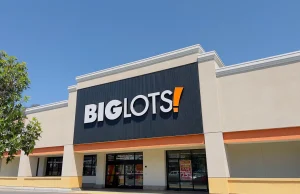
Best materials: Aluminum returns, acrylic faces
Why: Heat resistance and color retention are essential for branding.
Banners & Temporary Signs
Best materials: Reinforced mesh vinyl
Why: Allows wind to pass through, reducing tearing.
Digital LED Signs
Best materials: Aluminum cabinets with UV-coated faces
Why: Heat dissipation and weather sealing are critical for electronics.
Protective Coatings & Finishes for Extra Durability
Even the best materials benefit from added protection:
- UV-resistant laminates to prevent fading
- Powder coating for corrosion and heat resistance
- Clear anti-graffiti coatings for easier cleaning
- Engineered wind-load systems for structural safety
- Thermal expansion allowances in mounting hardware
Frequently Asked Questions
What sign material lasts longest in extreme Texas heat?
Stainless steel and aluminum composite panels offer the longest lifespan and highest heat tolerance.
What’s the best option for high-wind areas?
Aluminum composite panels and properly engineered aluminum signs with reinforced frames.
Do darker colors fade faster in the Texas sun?
Yes. Dark pigments absorb more heat and UV, accelerating fading. UV-resistant inks and laminates are highly recommended.
How often should outdoor signs be replaced in Texas?
High-quality metal or composite signs can last 15–25 years, while low-grade plastic or wood may need replacement in 3–7 years.
Choosing the Best Outdoor Sign Materials for Texas Heat and Weather
Choosing the right outdoor sign materials for Texas heat, wind, and sun is not just a design decision. It’s a long-term investment in your brand’s visibility and durability. Aluminum, aluminum composite panels, acrylic, HDU, and stainless steel consistently outperform cheaper substrates when exposed to extreme temperatures, intense UV radiation, and strong winds.
By selecting climate-appropriate materials and using professional fabrication, coatings, and installation, your signage can remain vibrant, structural sound, and effective for decades in even the toughest Texas conditions.
